 Vance IngallsandClaude Fable 5
511665b93a
Vance IngallsandClaude Fable 5
511665b93a
* feat(sdk): scaffold @hyperframes/sdk — engine layer (model, RFC 6902 patches, mutate, apply-patches)

* fix(sdk): make engine-layer PR self-contained — trim index.ts, guard indexed access

- index.ts no longer exports document/session/history/persist-queue (those
  modules land in the next stacked PR); branch now typechecks standalone
- setOwnText: optional-chain children[i] access (TS2532 under
  noUncheckedIndexedAccess)
- fallow suppressions for buildPatchEvent + adapters/types.ts — consumers
  arrive in #1325

Co-Authored-By: Claude Fable 5 <noreply@anthropic.com>

* fix(sdk): fail loudly on Phase 3b ops; add sdk to root build pipeline

- applyOp throws UnsupportedOpError (code E_UNSUPPORTED_OP) for the 9
  parser-backed ops instead of silently no-opping — callers must never
  believe an animation edit succeeded when nothing was mutated
- validateOp returns false for Phase 3b ops so can() feature-detects
- root package.json build filter now includes @hyperframes/sdk (package is
  dist-only; top-level build previously produced no SDK artifacts).
  publish.yml intentionally NOT updated — sdk stays unpublished until
  Phase 3 completes.

Adversarial-review findings F3 + F4.

Co-Authored-By: Claude Fable 5 <noreply@anthropic.com>

* fix(sdk): cross-realm origin sentinel, dual width/height channel, contract docs

Round-2 review (Rames/Miguel) on the engine layer:

- ORIGIN_APPLY_PATCHES: unique symbol → namespaced string
  ('@hyperframes/sdk:applyPatches'). Symbols are realm-local — they don't
  survive postMessage/structured-clone, which T3 embedded hosts may forward
  patch events across. Namespaced string keeps collision risk negligible.
- setCompositionMetadata width/height: runtime treats data-width/data-height
  as a forced override of inline style (init.ts applyCompositionSizing).
  Style is always written; the data-* attr is updated when already present
  so the edit isn't clobbered on load. Absent attrs stay absent — inverses
  stay exact. Mirrored in the patch applier; 3 new tests.
- JsonPatchOp documented as the emit-only RFC 6902 subset
  (add/remove/replace); applier header notes move/copy/test are ignored.
- SdkDocument.html documented as a build-time snapshot (serialize() is the
  live state).
- patches.ts path-grammar comment fixed: timing/{start|end|trackIndex}.

NOT changed (with reasons, see PR reply): moveElement left/top matches
Studio's own inline-style commit convention (sourcePatcher); package version
follows the repo-wide single-version policy.

Co-Authored-By: Claude Fable 5 <noreply@anthropic.com>

* fix(sdk): moveElement writes data-x/data-y, not left/top CSS

HF elements use data-x/data-y for positioning (read by htmlParser.ts,
emitted by hyperframes generator). CSS left/top is not the runtime convention.

Adds inverse round-trip test for prior position restore.

Co-Authored-By: Claude Sonnet 4.6 <noreply@anthropic.com>

* chore: update bun.lock after sdk package registration

Co-Authored-By: Claude Sonnet 4.6 <noreply@anthropic.com>

* feat(sdk): session API, optional history + persist-queue, adapters — Phase 3a complete

* fix(sdk): address review — live-DOM query cache, single parse, style parse dedup

- getElements/getElement/find now walk the live linkedom DOM via buildRoots
  with a lazily-built cache invalidated on dispatch/applyPatches — no
  serialize→ensureHfIds→parseHTML round trip per query
- openComposition parses once (parseMutable); dropped discarded _doc
  constructor param and the redundant buildDocument call
- document.ts buildElement reuses model.ts getElementStyles — removes
  duplicated parseInlineStyles (also fixes custom-prop camelCase mangling)
- JSDoc note: empty batch() still fires change handlers

Co-Authored-By: Claude Fable 5 <noreply@anthropic.com>

* fix(sdk): restore full public exports now session/document modules exist

index.ts re-exports document/session/history/persist-queue (trimmed in the
engine-layer PR to keep it self-contained); drops the temporary fallow
suppressions whose consumers now exist.

Co-Authored-By: Claude Fable 5 <noreply@anthropic.com>

* fix(sdk): coalesce history by patch paths; replay override-set on open

Adversarial-review findings F1 + F2:

- history: coalescing now requires identical patch paths in addition to
  op types + origin + window. Previously two rapid setStyle calls on
  DIFFERENT elements merged into one entry carrying the second forward +
  first inverse — undo then reverted the wrong element and stranded the
  latest edit. Slider drags on one property still coalesce.
- T3 init: openComposition({ overrides }) now replays the stored
  override-set onto the freshly-parsed base before exposing the session
  (new keyToPath inverse mapping + applyOverrideSet). Previously the
  overrides were copied into the map but never applied — reopening an
  embedded composition showed and serialized the base template.
- examples: GSAP calls now feature-detect with can() (Phase 3b ops throw
  UnsupportedOpError as of the engine-layer fix); UnsupportedOpError
  re-exported from the package entry.
- 8 new session tests: coalesce same-path / cross-element / cross-prop,
  override round-trip (style/text/attr/timing/removal/restore-base).

Co-Authored-By: Claude Fable 5 <noreply@anthropic.com>

* fix(sdk): transactional batch rollback, sorted coalesce key, root-priority unify

Round-2 review (Rames/Miguel) on the session layer:

- batch() is now transactional: on throw, accumulated inverse patches are
  replayed in reverse and the override-set snapshot restored — the model is
  exactly as it was at batch entry. Previously a throwing batch left the DOM
  partially mutated with no patch trail, no history entry, no recovery path.
  2 new tests (model unchanged + undo is no-op after throwing batch).
- history coalesce key sorts opTypes — same op-type set coalesces regardless
  of dispatch order within a batch.
- applyPatches comment documents that emitted PatchEvents carry an empty
  inversePatches array (hosts keep their own inverse log).
- document.ts extractDimensions/extractDuration now use the engine's
  findRoot — dimension extraction and mutations agree on the root element
  ([data-hf-root] > #stage > first child). Dimensions prefer the runtime's
  data-width/data-height forced-override attrs, falling back to inline style.
- ownText documented: snapshot .text is trimmed display text; setText writes
  verbatim.

Deferred to follow-up (acknowledged, not ship-blocking): persist-queue flush
error surfacing, debounce window, path default, history ring-buffer.

Co-Authored-By: Claude Fable 5 <noreply@anthropic.com>

* feat(lint): add gsap_studio_edit_blocked rule for manual timeline + GSAP element targeting

---------

Co-authored-by: Claude Fable 5 <noreply@anthropic.com>






Write HTML. Render video. Built for agents.
Quickstart | Showcase | Playground | Catalog | Docs | Discord

HyperFrames is an open-source framework for turning HTML, CSS, media, and seekable animations into deterministic MP4 videos. Use it locally with the CLI, from AI coding agents with skills, or as the rendering core behind hosted authoring workflows.
Quick Start
With an AI coding agent
Install the HyperFrames skills, then describe the video you want:
npx skills add heygen-com/hyperframes
Try a prompt like:
Using
/hyperframes, create a 10-second product intro with a fade-in title, a background video, and subtle background music.
The skills teach agents the HyperFrames production loop: plan the video, write valid HTML, wire seekable animations, add media, lint, preview, and render. They work with Claude Code, Cursor, Gemini CLI, Codex, and other coding agents that support skills.
For visual design handoff workflows, see the Claude Design guide and Open Design guide.
Manually with the CLI
npx hyperframes init my-video
cd my-video
npx hyperframes preview      # preview in browser with live reload
npx hyperframes render       # render to MP4
Requirements: Node.js 22+, FFmpeg
What You Can Build
Need ideas? Browse the Showcase for finished videos you can watch, read, run, and remix.
- Product launch videos and feature announcements
- PR walkthroughs with animated code diffs, narration, and captions
- Data visualizations, chart races, and map animations
- Social videos with kinetic captions, overlays, and music
- Docs-to-video, PDF-to-video, and website-to-video explainers
- Reusable motion graphics for automated content pipelines
Frame.md
frame.md — your design system, ready for video.
Every brand has a design.md. None of them were written for a camera. frame.md is the missing translation layer: it takes your web-context design spec and inverts it for the frame — the same tokens, the same rules, but rewritten so an AI agent can compose a promo video without guessing at scale or reaching for web chrome.
The output is a DESIGN.md superset your whole toolchain can read. Atoms stay sacred. Composition stays free. Numbers come from the script.

Biennale Yellow |

BlockFrame |
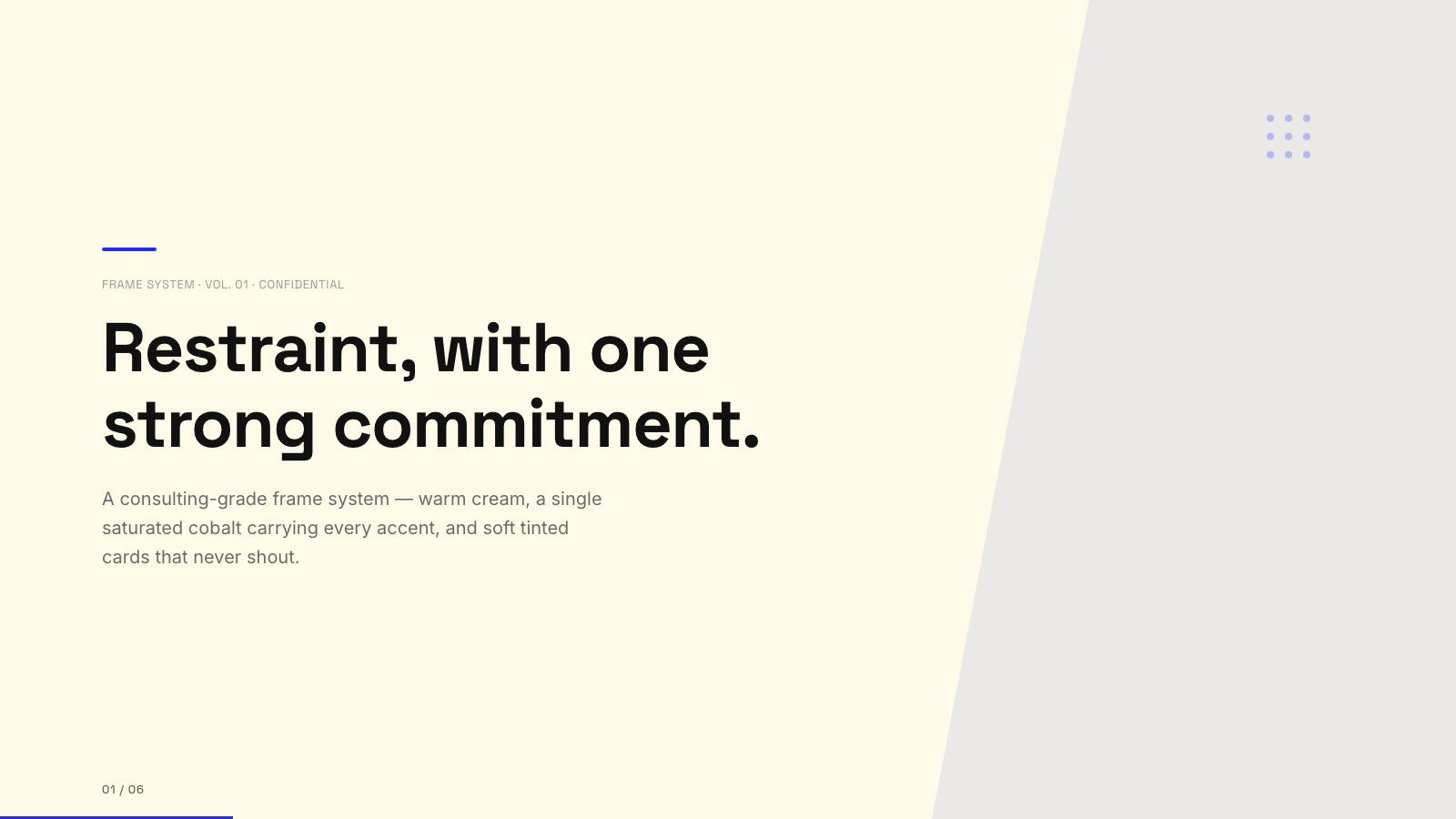
Blue Professional |

Bold Poster |
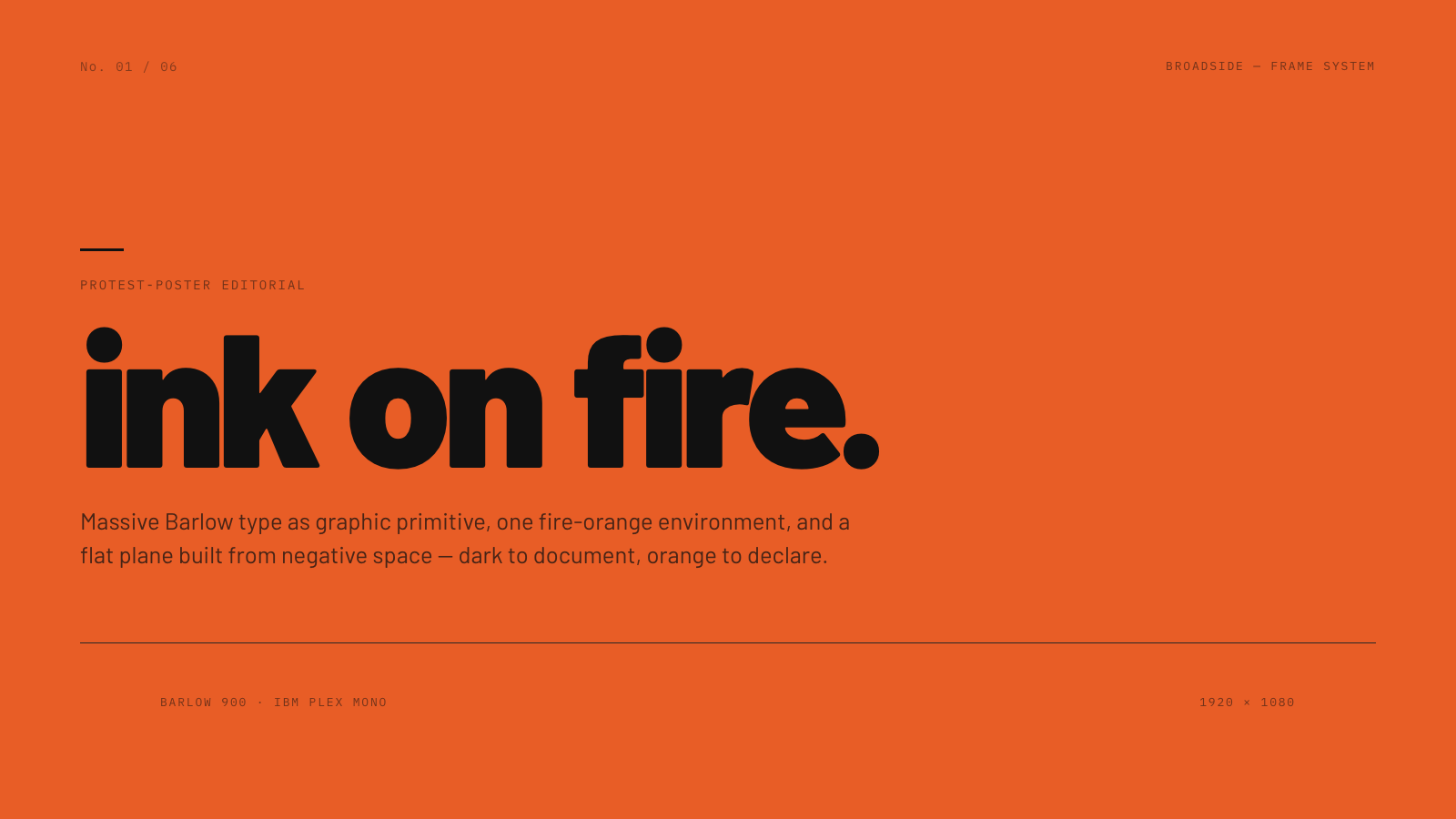
Broadside |
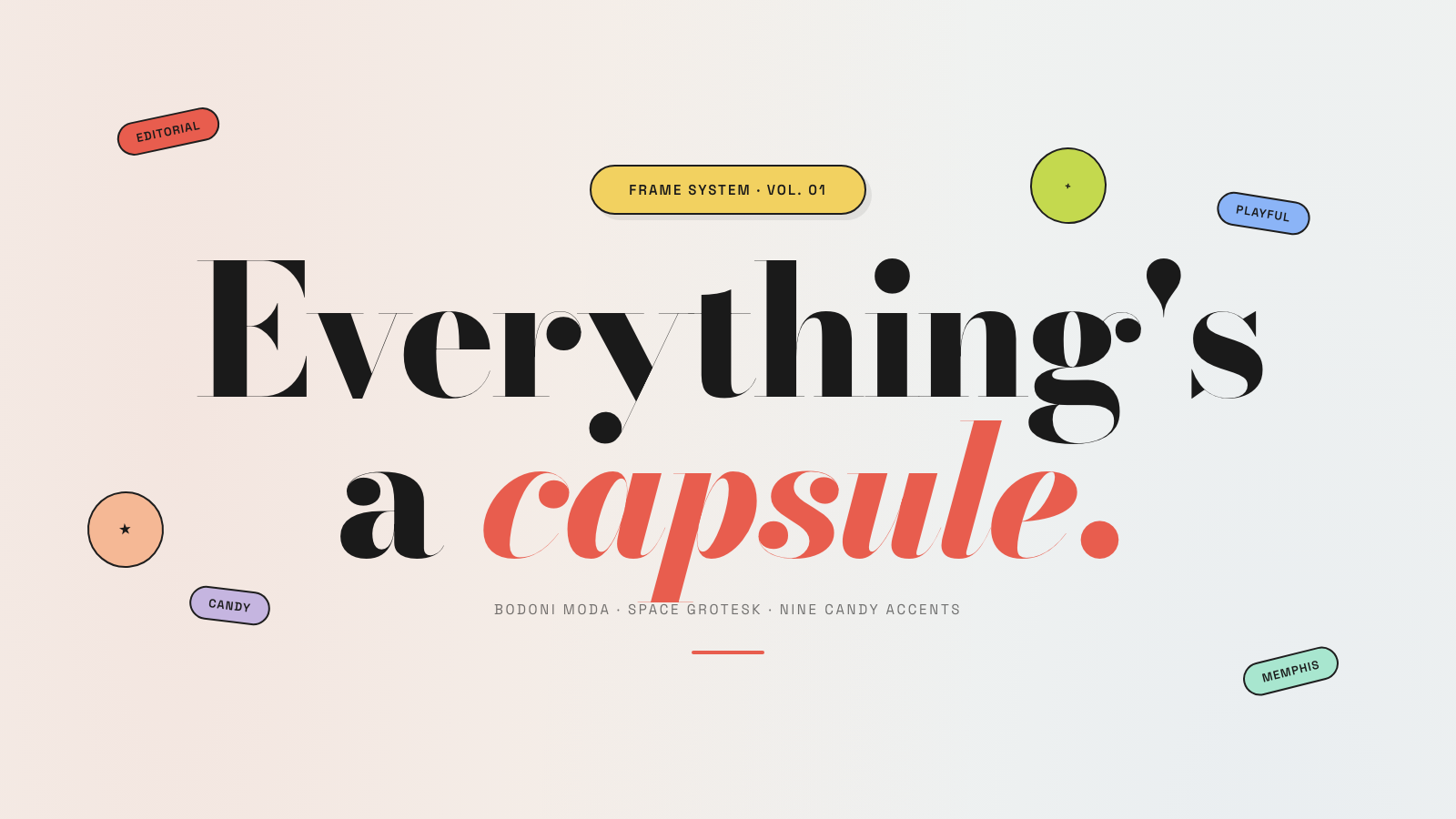
Capsule |
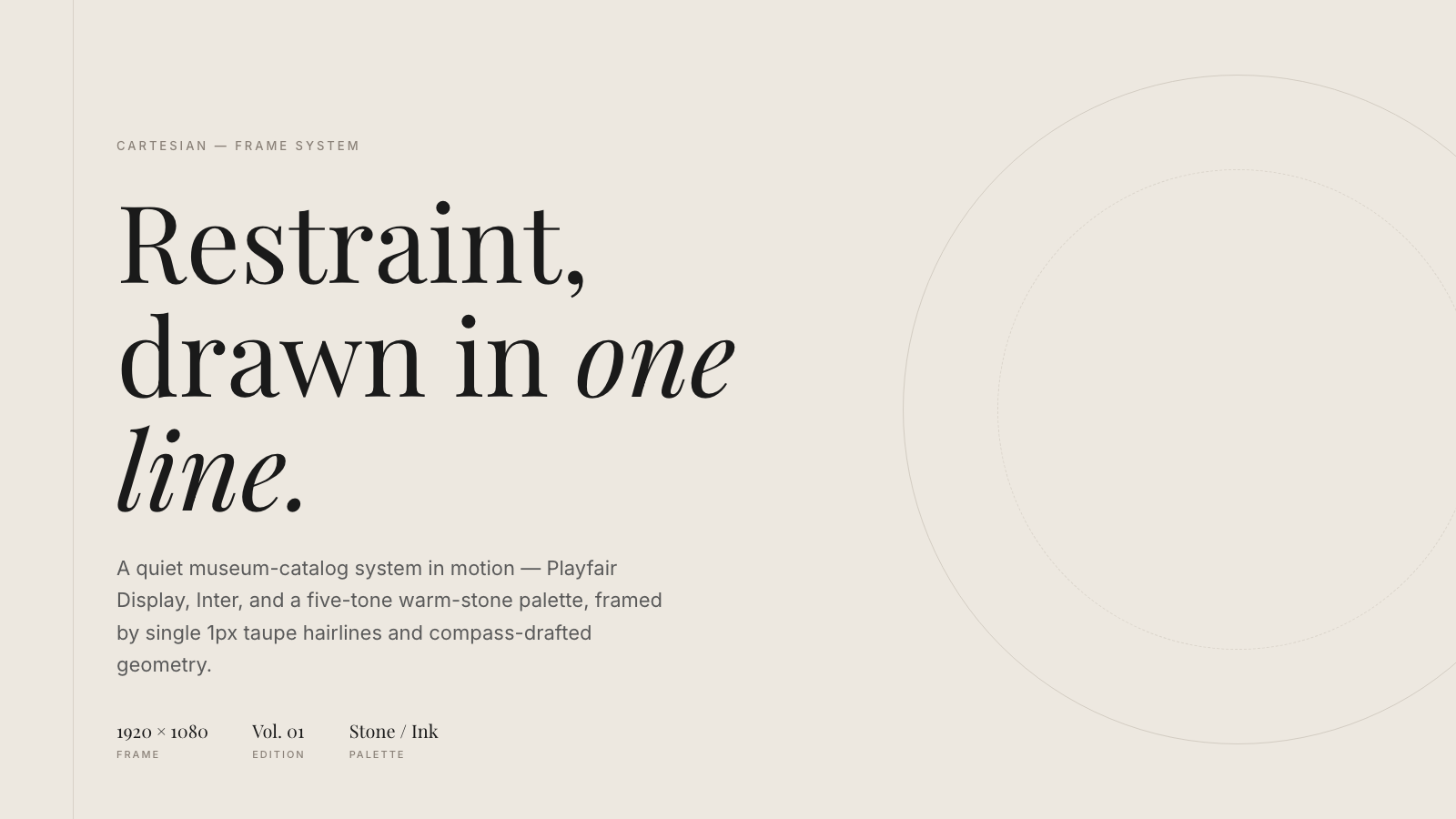
Cartesian |
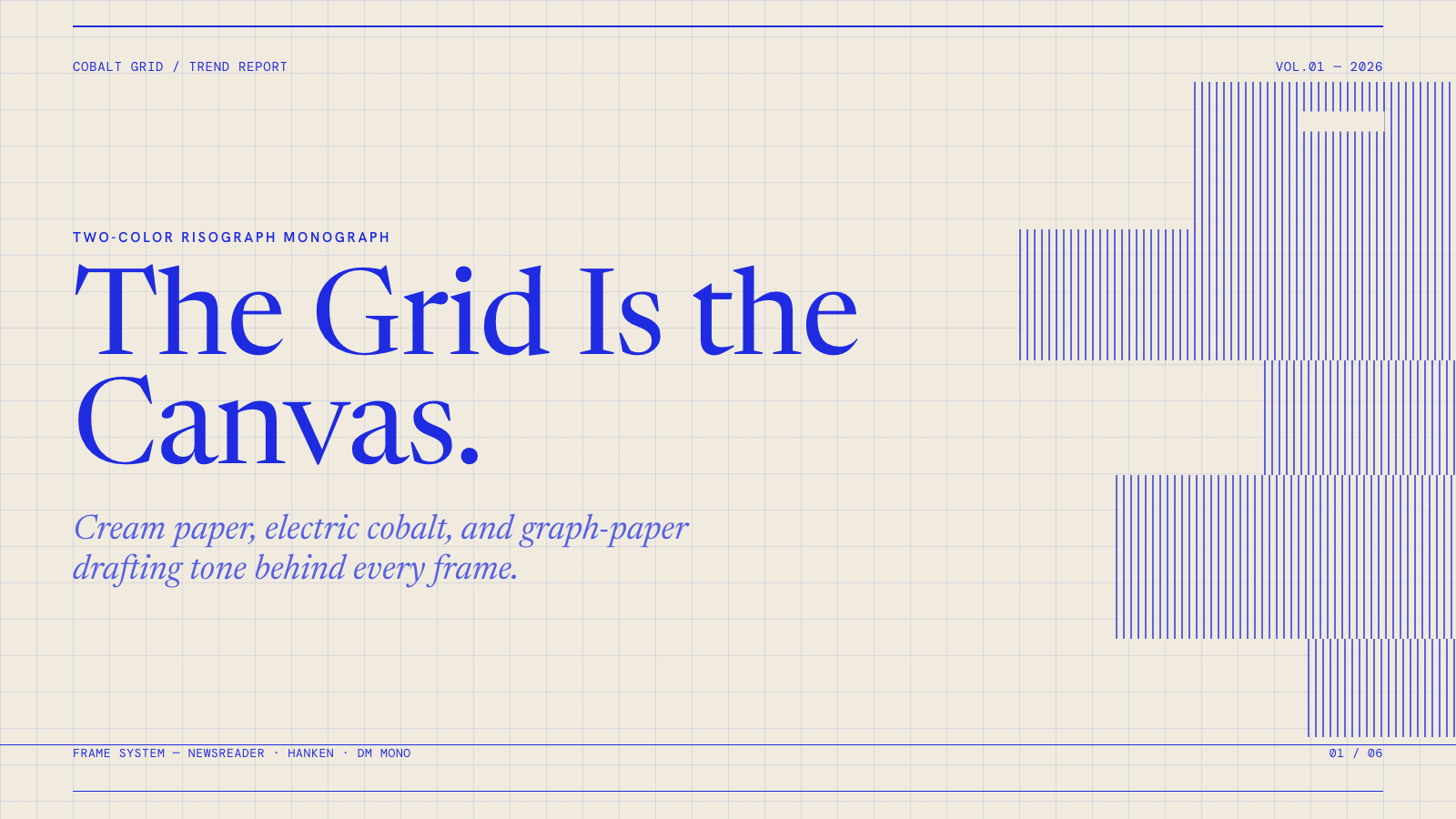
Cobalt Grid |
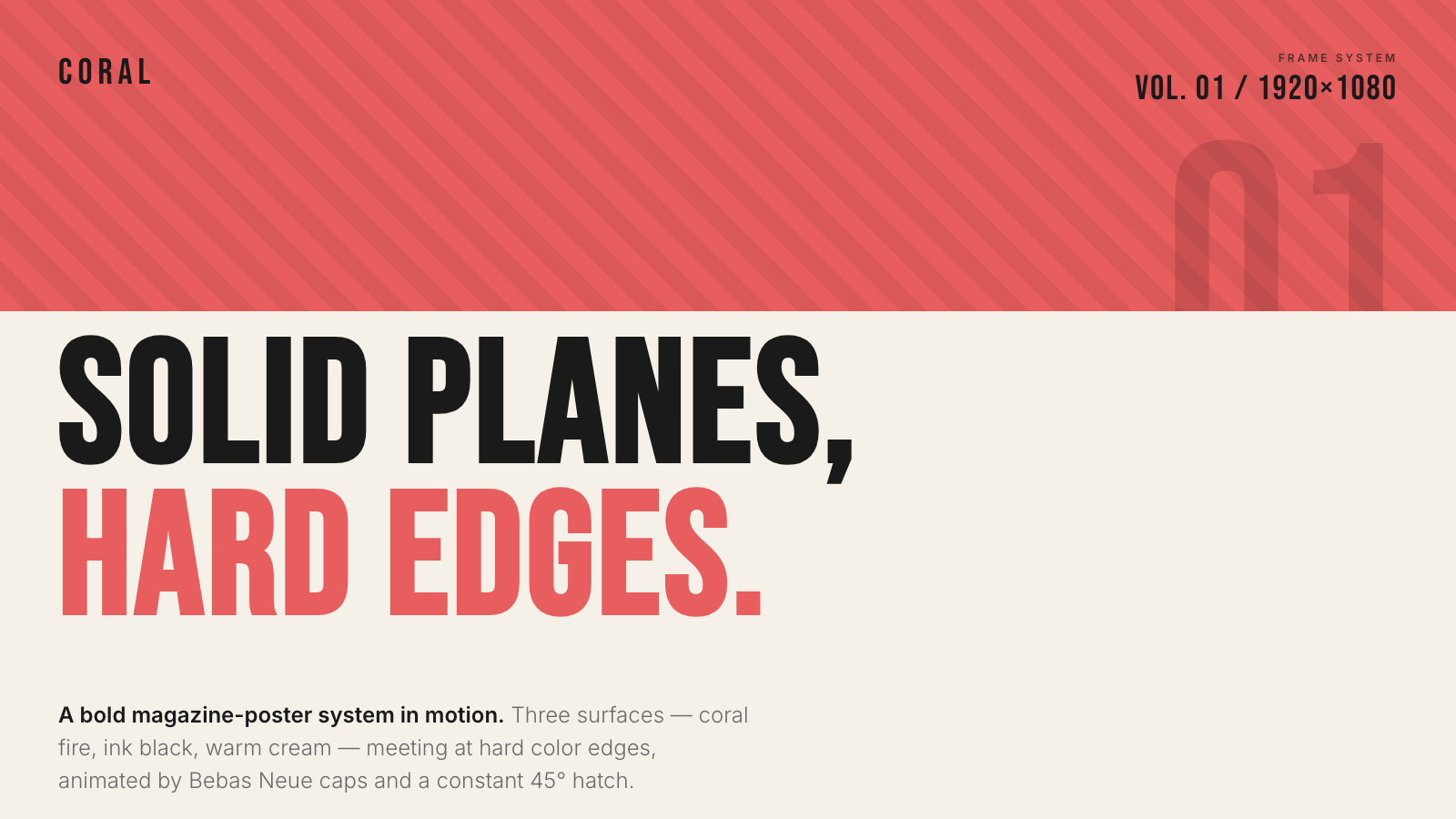
Coral |
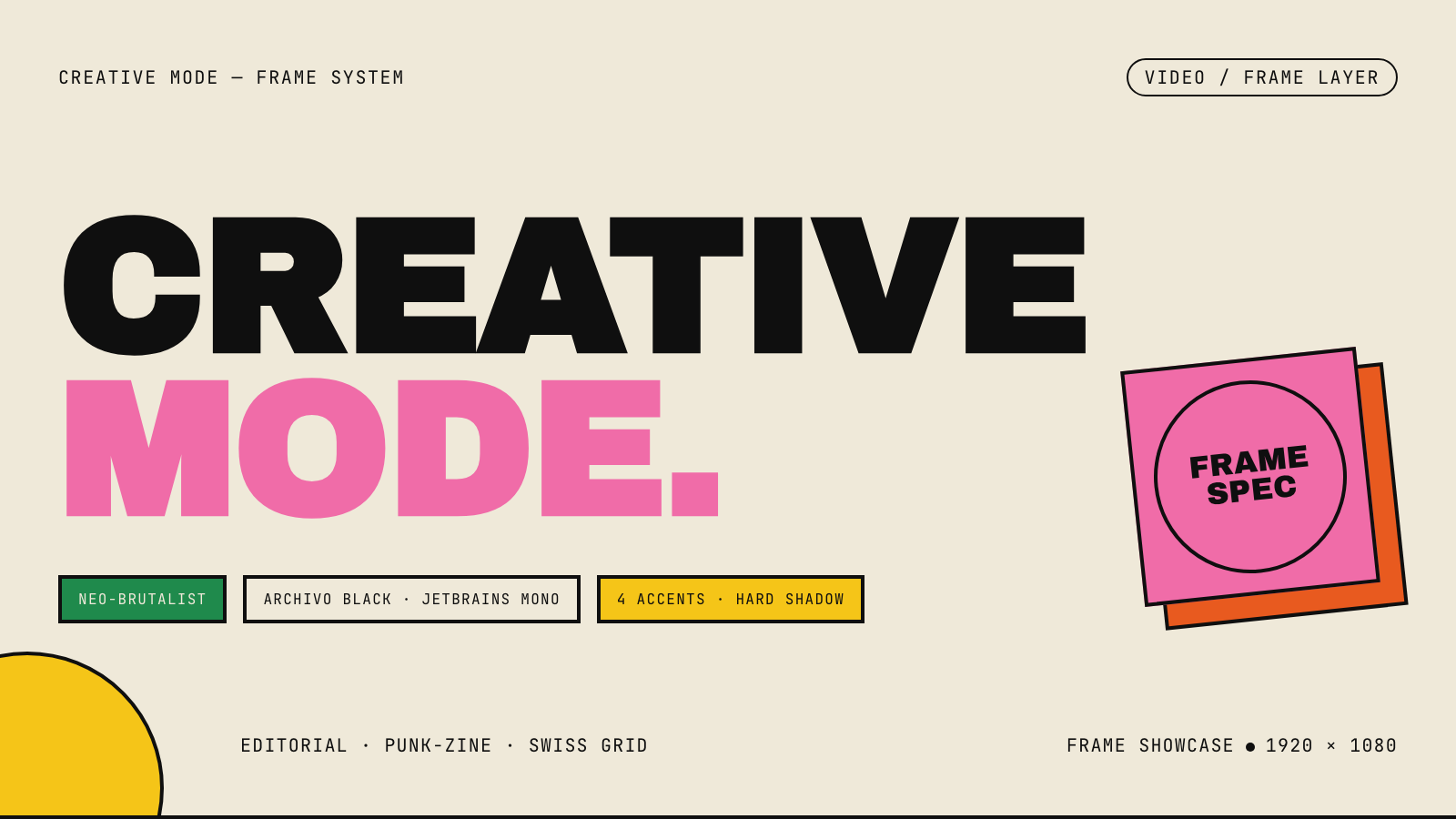
Creative Mode |
Browse and remix them all at hyperframes.dev/design.
How It Works
Define a video as HTML. Add data attributes for timing and tracks. Use GSAP, CSS, Lottie, Three.js, Anime.js, WAAPI, or your own frame adapter for seekable animation.
<div id="stage" data-composition-id="launch" data-start="0" data-width="1920" data-height="1080">
  <video
    class="clip"
    data-start="0"
    data-duration="6"
    data-track-index="0"
    src="intro.mp4"
    muted
    playsinline
  ></video>

  <h1 id="title" class="clip" data-start="1" data-duration="4" data-track-index="1">Launch day</h1>

  <audio
    data-start="0"
    data-duration="6"
    data-track-index="2"
    data-volume="0.5"
    src="music.wav"
  ></audio>

  <script src="https://cdn.jsdelivr.net/npm/gsap@3/dist/gsap.min.js"></script>
  <script>
    const tl = gsap.timeline({ paused: true });
    tl.from("#title", { opacity: 0, y: 40, duration: 0.8 }, 1);
    window.__timelines = window.__timelines || {};
    window.__timelines.launch = tl;
  </script>
</div>
Preview instantly in the browser. Render locally or in Docker. The renderer seeks each frame in headless Chrome and encodes the result with FFmpeg, so the same input produces the same video.
HyperFrames Stack
HyperFrames is the open-source rendering engine, plus a growing set of tools around HTML-native video creation.
| Piece | Status | What it does |
|---|---|---|
| CLI | Available | Scaffold, preview, lint, inspect, and render local video projects |
| Core / Engine / Producer | Available | Parse compositions, drive headless Chrome, encode video, and mix audio |
| Catalog | Available | Reusable blocks and components for transitions, overlays, captions, charts, maps, and effects |
| Agent skills | Available | Teach coding agents the video-production patterns that generic web docs miss |
| Studio | Available, evolving | Browser surface for previewing and editing compositions |
| AWS Lambda rendering | Available | Deploy a distributed render stack and drive renders from your laptop or CI |
| hyperframes.dev | Available | Community playground for previewing, iterating, sharing, and rendering HTML-native video projects |
| frame.md | Available | Invert your design system for the camera — a DESIGN.md superset an agent can compose video from |
Catalog
Install ready-to-use blocks and components:
npx hyperframes add flash-through-white   # shader transition
npx hyperframes add instagram-follow      # social overlay
npx hyperframes add data-chart            # animated chart
Browse the catalog at hyperframes.heygen.com/catalog.
Why HyperFrames?
- HTML-native: compositions are HTML files with data attributes. No React requirement, no proprietary timeline format.
- Agent-friendly: agents already write HTML, and the CLI is non-interactive by default.
- Deterministic: same input, same frames, same output. Built for CI, regression tests, and automated rendering.
- No build step: an
index.htmlcomposition plays as-is and can be previewed directly in the browser. - Adapter-based animation: bring GSAP, CSS animations, Lottie, Three.js, Anime.js, WAAPI, or a custom runtime.
- Open source: Apache 2.0 license, with no per-render fees or commercial-use thresholds.
HyperFrames vs Remotion
HyperFrames is inspired by Remotion. Both tools render video with headless Chrome and FFmpeg. The main difference is the authoring model: Remotion's bet is React components; HyperFrames' bet is plain HTML that humans and agents can both write easily.
| HyperFrames | Remotion | |
|---|---|---|
| Authoring | HTML + CSS + seekable animation | React components |
| Build step | None; index.html plays as-is |
Bundler required |
| Agent handoff | Plain HTML files | JSX / React project |
| Library-clock animations | Seekable, frame-accurate via adapters | Wall-clock animation patterns need care |
| Distributed rendering | Local and AWS Lambda render paths | Remotion Lambda, mature cloud renderer |
| License | Apache 2.0 | Source-available Remotion License |
Read the full comparison in the HyperFrames vs Remotion guide.
Documentation
Full documentation: hyperframes.heygen.com/introduction
Packages
| Package | Description |
|---|---|
hyperframes |
CLI for creating, previewing, linting, and rendering compositions |
@hyperframes/core |
Types, parsers, generators, linter, runtime, and frame adapters |
@hyperframes/engine |
Seekable page-to-video capture engine using Puppeteer and FFmpeg |
@hyperframes/producer |
Full rendering pipeline for capture, encode, and audio mix |
@hyperframes/studio |
Browser-based composition editor UI |
@hyperframes/player |
Embeddable <hyperframes-player> web component |
@hyperframes/shader-transitions |
WebGL shader transitions for compositions |
@hyperframes/aws-lambda |
AWS Lambda SDK and deployment surface for distributed renders |
Community
HyperFrames is used in production at HeyGen, with community examples from teams like tldraw, TanStack, and others in ADOPTERS.md. Open a PR if your team is using HyperFrames.
- Questions and ideas: Discord
- Bugs and feature requests: GitHub Issues
- Security reports: SECURITY.md
- Contributions: CONTRIBUTING.md
Development Note
The repo uses Git LFS for golden regression-test baselines under packages/producer/tests/**/output.mp4 (about 240 MB of .mp4 files). If you're cloning the full repo for development, install Git LFS first:
# macOS
brew install git-lfs

# Ubuntu / Debian
sudo apt install git-lfs

# Windows
winget install GitHub.GitLFS

# Then, once per machine
git lfs install
If you only need source files, you can skip LFS content:
GIT_LFS_SKIP_SMUDGE=1 git clone https://github.com/heygen-com/hyperframes.git