 Vance IngallsandClaude Opus 4.8
7593aac5ef
* feat(sdk,studio): populate animationIds; shadow GSAP update/delete

Closes the GSAP shadow gaps. The server's animationId was assumed to live in a
separate id-space — it does not: the studio-api read path (T6e) and the SDK
both derive tween ids as targetSelector-method-position from the same acorn
parser, so server ids are dispatchable in the SDK as-is.

SDK: populate ElementSnapshot.animationIds (was a hardcoded stub) from
parseGsapScriptAcornForWrite().located, resolving each tween's targetSelector
to element hf-ids. Makes the snapshot truthful and enables real GSAP parity.

Studio: shadow deleteGsapAnimation (removeGsapTween) and updateGsapMeta
(setGsapTween) using the server animationId directly. GSAP add/remove parity
now verifies via animationIds (present after add, gone after remove). set is
existence-only — the SDK still has no per-tween property reader (value fidelity
would need serialize()-script round-trip diffing).

Co-Authored-By: Claude Opus 4.8 (1M context) <noreply@anthropic.com>

* feat(studio): GSAP value fidelity via serialize round-trip diff

Closes the last shadow gap: GSAP value fidelity. Existence parity confirmed a
tween was created/removed but not that its values (duration/ease/position/
properties) matched the server, since the SDK has no per-tween property reader.

runShadowGsapFidelity opens a fresh SDK doc from the server's pre-op file
(result.before), applies the same typed op, serializes, and structurally diffs
the SDK's GSAP script against the server's resulting script (result.scriptText).
Both are re-parsed via parseGsapScriptAcorn, so formatting/whitespace never
produces false positives — only real value drift does. gsapFidelityMismatches
reports per-field drift and tween presence/absence.

Wired at the commitMutation chokepoint (the only place with the server's
before+after scripts); handlers pass the typed ShadowGsapOp via
CommitMutationOptions.shadowGsapOp. Emits sdk_shadow_dispatch op:gsap_fidelity.
Complements the existing live existence shadow (op:gsap).

Co-Authored-By: Claude Opus 4.8 (1M context) <noreply@anthropic.com>

* fix(studio,sdk): address shadow code-review findings

- gsapFidelityMismatches: canonical comparison (sort property keys, numeric-
  coerce position/duration/values). Server (addAnimationToScript) and SDK
  (gsapWriterAcorn) are different writers; non-canonical compare flagged
  key-order / number-vs-string differences as false value drift.
- document.ts buildAnimationIdMap: memoize the acorn parse by script text
  (single-entry). getElements() invalidates on every dispatch, so shadow's
  frequent dispatches were re-parsing the full GSAP AST each rebuild. Selector
  resolution still runs per-call (depends on live DOM).
- runShadowGsapFidelity: early-bail when serverScript/beforeHtml is empty —
  skip the costly openComposition.
- useSafeGsapCommitMutation: import the shared CommitMutationOptions/
  CommitMutation instead of a stale local duplicate (was missing shadowGsapOp).
- align extractGsapScript marker set across sdkShadow.ts and document.ts
  (gsap || __timelines || ScrollTrigger) so both pick the same script.

Tests: +2 canonical-compare cases (key-order, number-vs-string → no drift).

Co-Authored-By: Claude Opus 4.8 (1M context) <noreply@anthropic.com>

* fix(studio,sdk): fallow gate for #1474 (fidelity diff + test clones)

- suppress moderate CRAP on gsapFidelityMismatches and the runShadowGsapTween
  parity arrow (comparison/parity functions are inherently branchy)
- suppress two pre-existing test clones in session.test.ts surfaced by the
  added animationIds tests (TestPreviewAdapter stub, selectionchange setup)

Rebased onto the updated #1473 (no-persist shadow session); inherits the
persist-race fix and prior fallow suppressions.

Co-Authored-By: Claude Opus 4.8 (1M context) <noreply@anthropic.com>

* refactor(studio): extract GSAP fidelity to its own module (file-size gate)

sdkShadow.ts hit 602 lines (CI File size check: max 600). Move the GSAP
value-fidelity diff (gsapFidelityMismatches, runShadowGsapFidelity, and their
private helpers) into sdkShadowGsapFidelity.ts; re-export from sdkShadow.ts so
the import surface is unchanged. sdkShadow.ts now 430 lines.

Co-Authored-By: Claude Opus 4.8 (1M context) <noreply@anthropic.com>

* fix(studio,sdk): address #1474 review feedback

- CodeQL js/bad-tag-filter: the GSAP <script> extraction + test regexes now
  match </script\s*> (whitespace-before-close variant). 3 alerts resolved.
- Wiring (Miguel): extract resolveGsapFidelityArgs — a pure, narrowing gate for
  the commitMutation chokepoint (no non-null assertions) — and unit-test the
  fire/skip conditions (session, op, before, scriptText). Replaces the inline
  guard so the wiring decision is covered without rendering the hook.
- Property-handler scope (Rames): comment at the chokepoint documenting that
  only meta-level ops (add/update-meta/delete) carry shadowGsapOp today;
  per-property and keyframe handlers are a deliberate follow-up. Also why
  scriptText can be null.
- Test coverage (Rames): multi-tween-per-element and shared-selector
  cross-element animationIds cases.

Co-Authored-By: Claude Opus 4.8 (1M context) <noreply@anthropic.com>

* fix(studio): CodeQL js/bad-tag-filter — match </script[^>]*> close tags

`</script\s*>` still tripped CodeQL on attribute-junk closes like
`</script foo>` (HTML5 ignores junk before `>`). Widen the close-tag match to
`</script[^>]*>` in the GSAP-script extraction and the test regexes.

Co-Authored-By: Claude Opus 4.8 (1M context) <noreply@anthropic.com>

---------

Co-authored-by: Claude Opus 4.8 (1M context) <noreply@anthropic.com>


Write HTML. Render video. Built for agents.
Quickstart | Showcase | Playground | Catalog | Docs | Discord

HyperFrames is an open-source framework for turning HTML, CSS, media, and seekable animations into deterministic MP4 videos. Use it locally with the CLI, from AI coding agents with skills, or as the rendering core behind hosted authoring workflows.
Quick Start
With an AI coding agent
Install the HyperFrames skills, then describe the video you want:
npx skills add heygen-com/hyperframes
Try a prompt like:
Using
/hyperframes, create a 10-second product intro with a fade-in title, a background video, and subtle background music.
The skills teach agents the HyperFrames production loop: plan the video, write valid HTML, wire seekable animations, add media, lint, preview, and render. They work with Claude Code, Cursor, Gemini CLI, Codex, and other coding agents that support skills.
For visual design handoff workflows, see the Claude Design guide and Open Design guide.
Manually with the CLI
npx hyperframes init my-video
cd my-video
npx hyperframes preview      # preview in browser with live reload
npx hyperframes render       # render to MP4
Requirements: Node.js 22+, FFmpeg
What You Can Build
Need ideas? Browse the Showcase for finished videos you can watch, read, run, and remix.
- Product launch videos and feature announcements
- PR walkthroughs with animated code diffs, narration, and captions
- Data visualizations, chart races, and map animations
- Social videos with kinetic captions, overlays, and music
- Docs-to-video, PDF-to-video, and website-to-video explainers
- Reusable motion graphics for automated content pipelines
Frame.md
frame.md — your design system, ready for video.
Every brand has a design.md. None of them were written for a camera. frame.md is the missing translation layer: it takes your web-context design spec and inverts it for the frame — the same tokens, the same rules, but rewritten so an AI agent can compose a promo video without guessing at scale or reaching for web chrome.
The output is a DESIGN.md superset your whole toolchain can read. Atoms stay sacred. Composition stays free. Numbers come from the script.

Biennale Yellow |

BlockFrame |
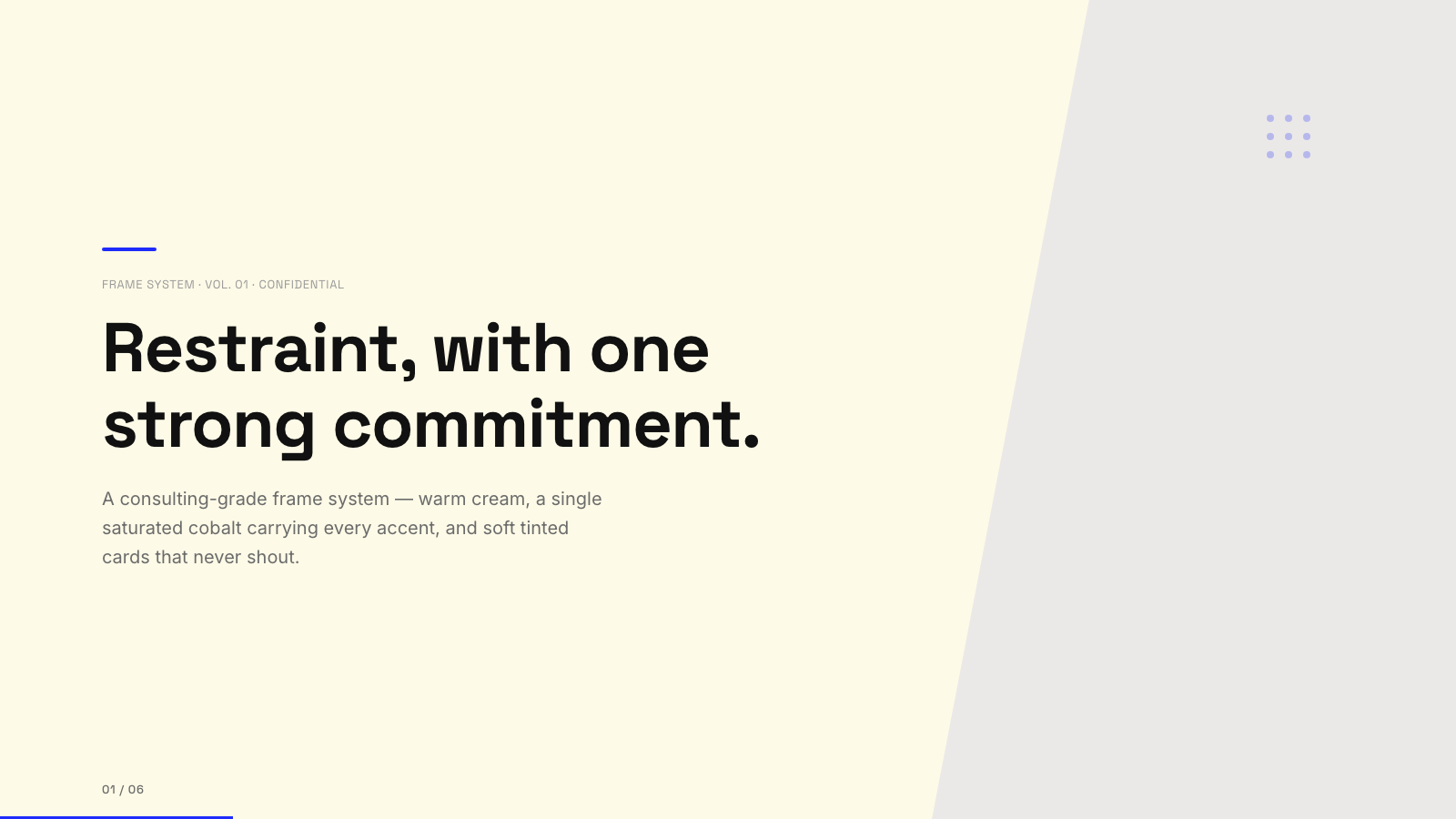
Blue Professional |
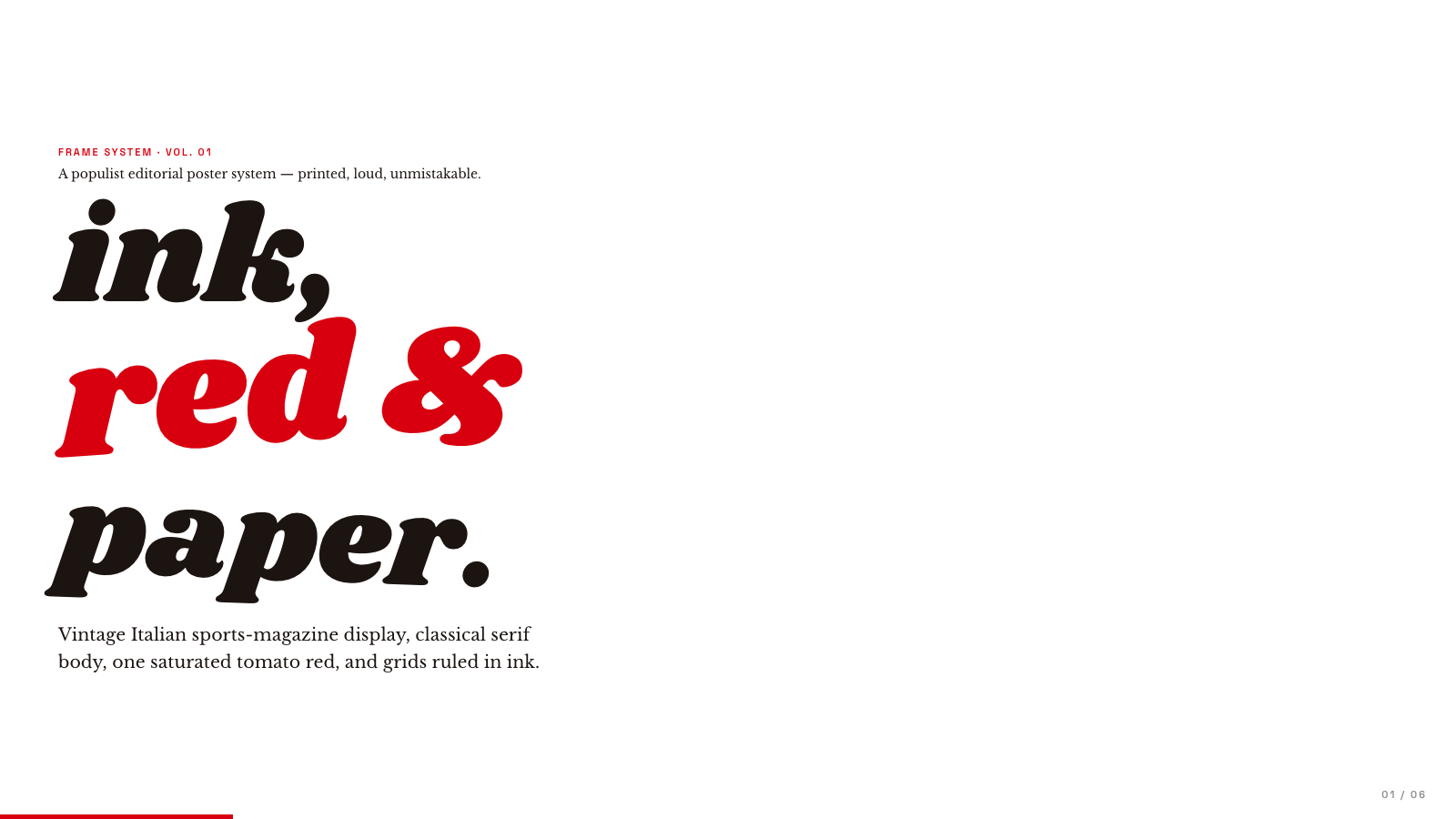
Bold Poster |
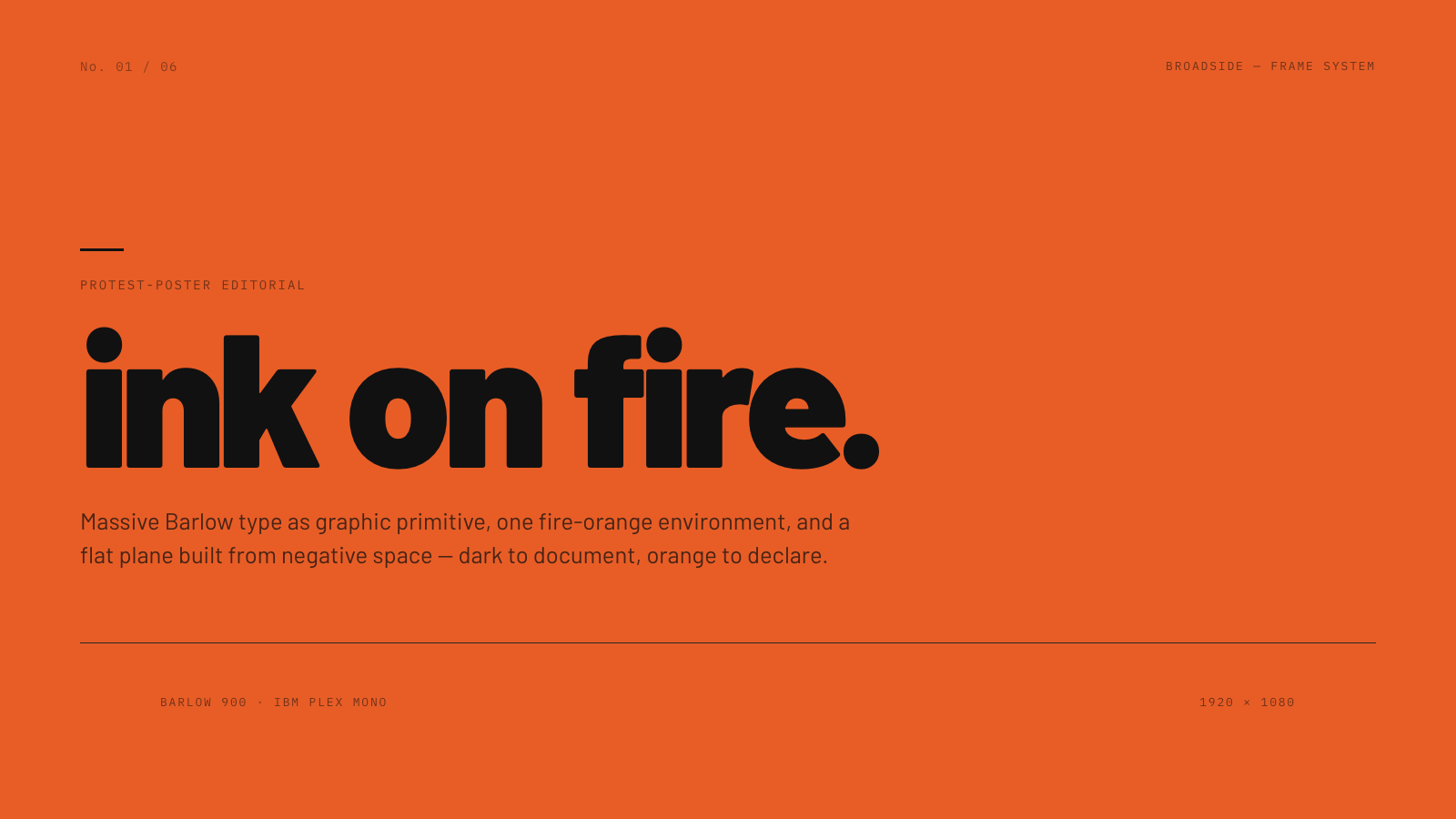
Broadside |
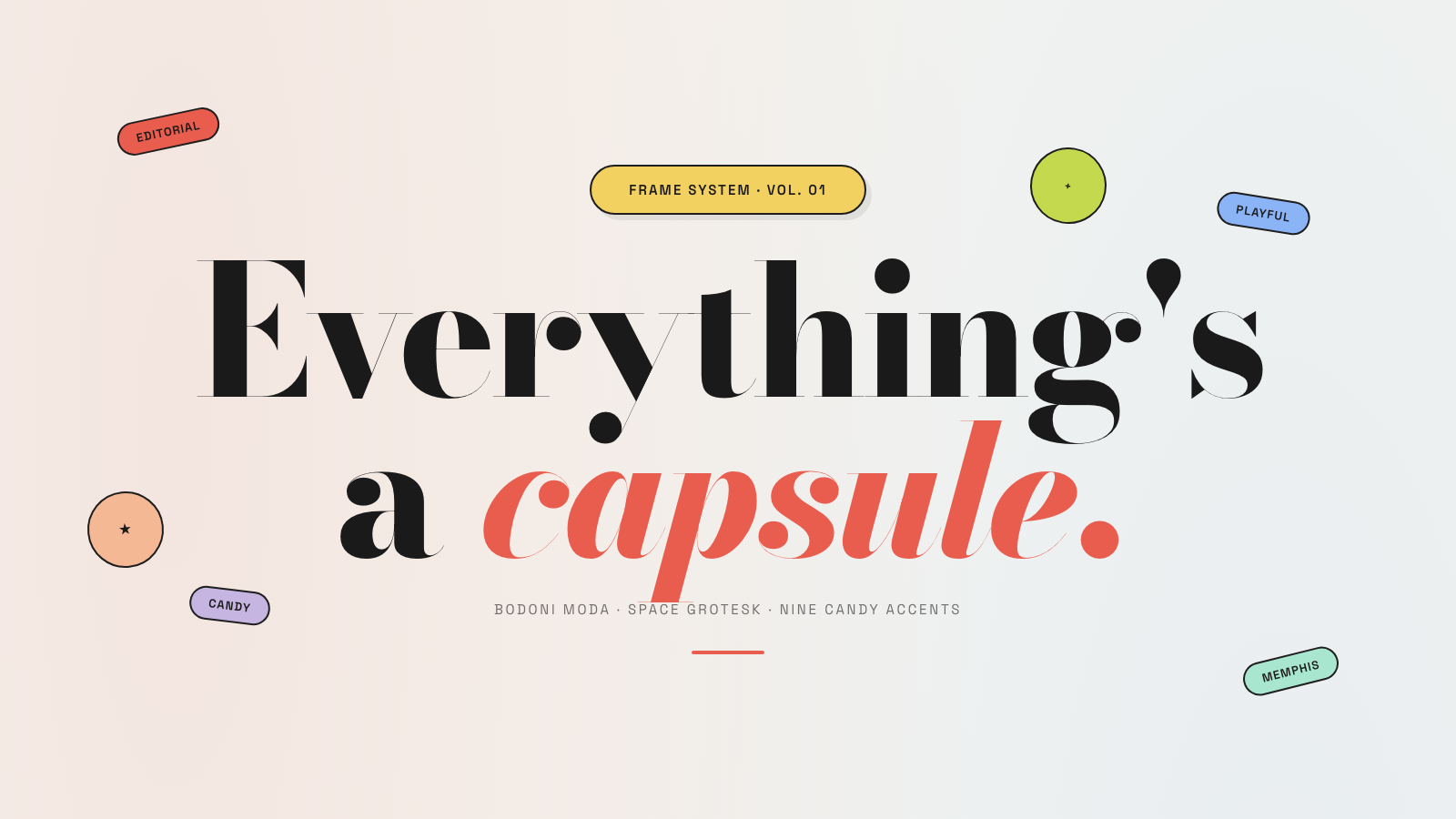
Capsule |
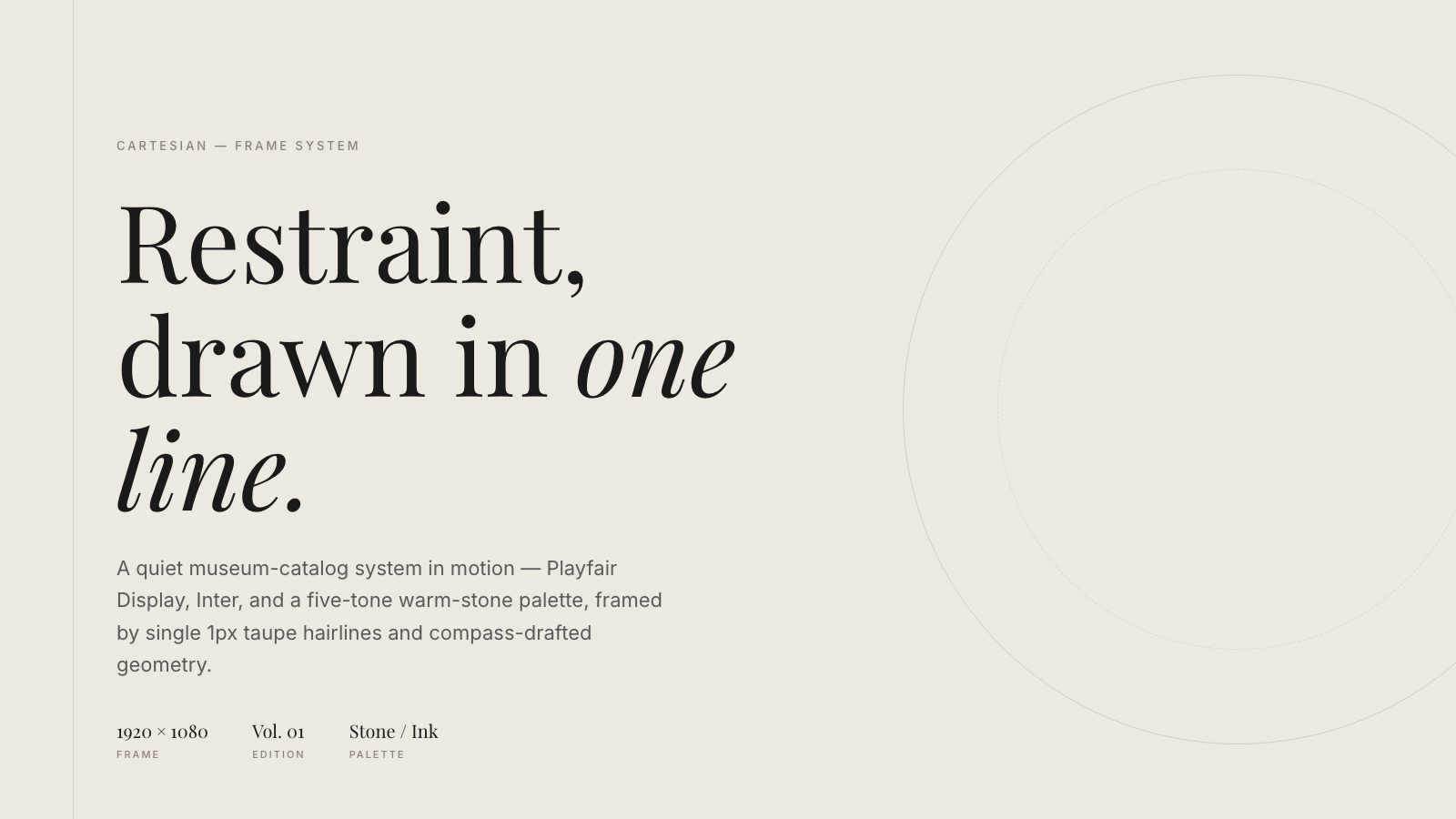
Cartesian |
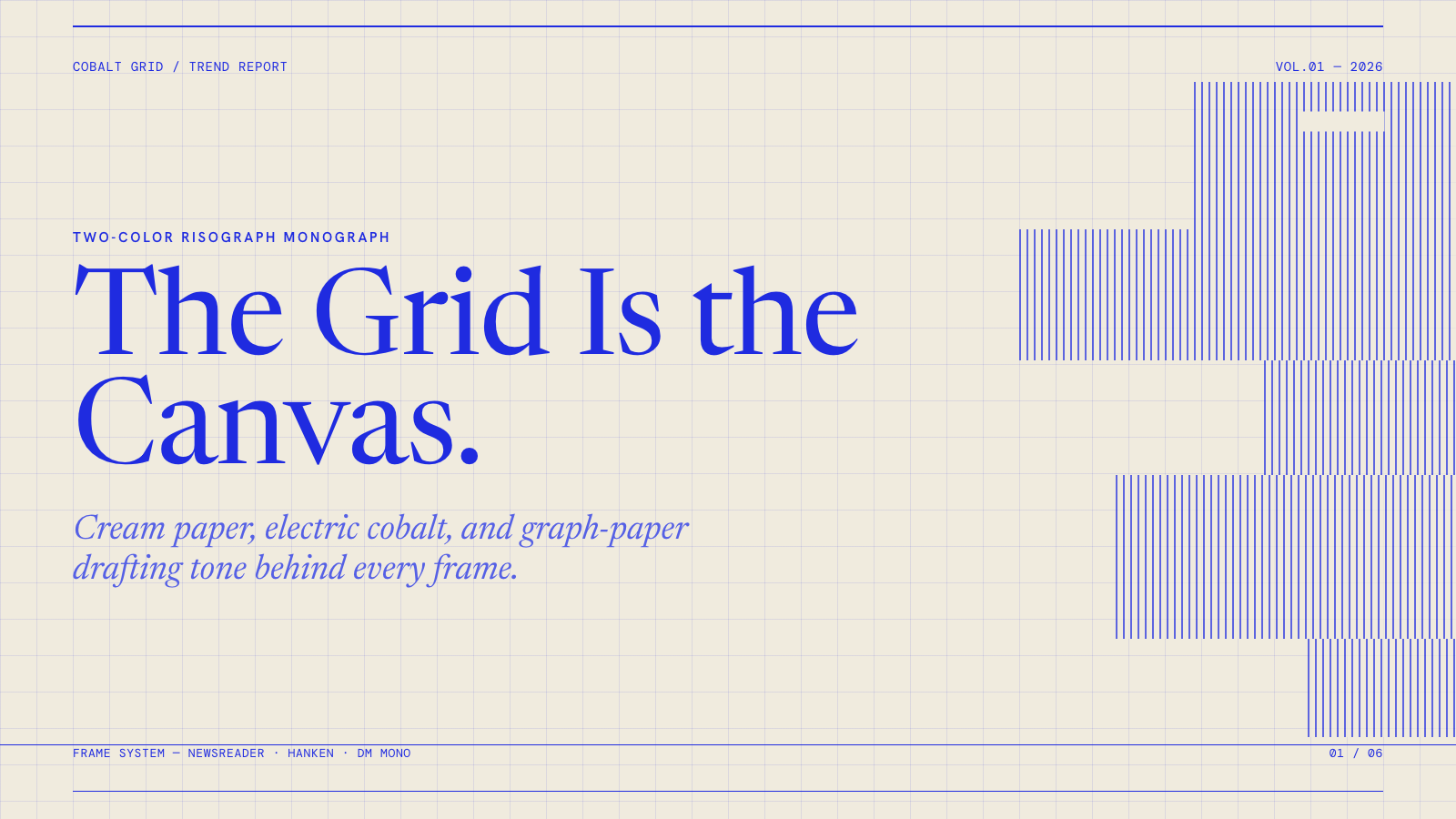
Cobalt Grid |

Coral |
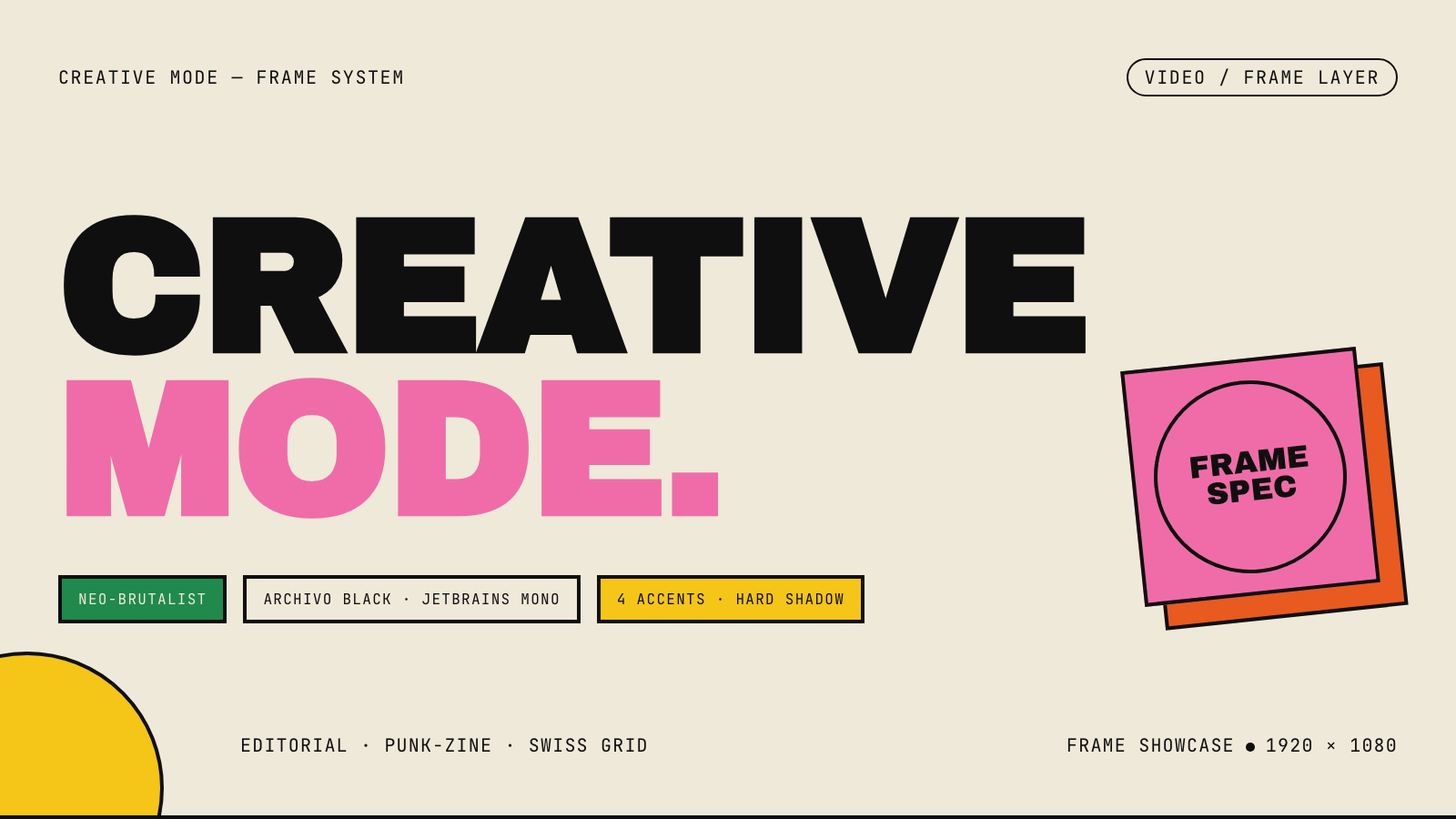
Creative Mode |
Browse and remix them all at hyperframes.dev/design.
How It Works
Define a video as HTML. Add data attributes for timing and tracks. Use GSAP, CSS, Lottie, Three.js, Anime.js, WAAPI, or your own frame adapter for seekable animation.
<div id="stage" data-composition-id="launch" data-start="0" data-width="1920" data-height="1080">
  <video
    class="clip"
    data-start="0"
    data-duration="6"
    data-track-index="0"
    src="intro.mp4"
    muted
    playsinline
  ></video>

  <h1 id="title" class="clip" data-start="1" data-duration="4" data-track-index="1">Launch day</h1>

  <audio
    data-start="0"
    data-duration="6"
    data-track-index="2"
    data-volume="0.5"
    src="music.wav"
  ></audio>

  <script src="https://cdn.jsdelivr.net/npm/gsap@3/dist/gsap.min.js"></script>
  <script>
    const tl = gsap.timeline({ paused: true });
    tl.from("#title", { opacity: 0, y: 40, duration: 0.8 }, 1);
    window.__timelines = window.__timelines || {};
    window.__timelines.launch = tl;
  </script>
</div>
Preview instantly in the browser. Render locally or in Docker. The renderer seeks each frame in headless Chrome and encodes the result with FFmpeg, so the same input produces the same video.
HyperFrames Stack
HyperFrames is the open-source rendering engine, plus a growing set of tools around HTML-native video creation.
| Piece | Status | What it does |
|---|---|---|
| CLI | Available | Scaffold, preview, lint, inspect, and render local video projects |
| Core / Engine / Producer | Available | Parse compositions, drive headless Chrome, encode video, and mix audio |
| Catalog | Available | Reusable blocks and components for transitions, overlays, captions, charts, maps, and effects |
| Agent skills | Available | Teach coding agents the video-production patterns that generic web docs miss |
| Studio | Available, evolving | Browser surface for previewing and editing compositions |
| AWS Lambda rendering | Available | Deploy a distributed render stack and drive renders from your laptop or CI |
| hyperframes.dev | Available | Community playground for previewing, iterating, sharing, and rendering HTML-native video projects |
| frame.md | Available | Invert your design system for the camera — a DESIGN.md superset an agent can compose video from |
Catalog
Install ready-to-use blocks and components:
npx hyperframes add flash-through-white   # shader transition
npx hyperframes add instagram-follow      # social overlay
npx hyperframes add data-chart            # animated chart
Browse the catalog at hyperframes.heygen.com/catalog.
Why HyperFrames?
- HTML-native: compositions are HTML files with data attributes. No React requirement, no proprietary timeline format.
- Agent-friendly: agents already write HTML, and the CLI is non-interactive by default.
- Deterministic: same input, same frames, same output. Built for CI, regression tests, and automated rendering.
- No build step: an
index.htmlcomposition plays as-is and can be previewed directly in the browser. - Adapter-based animation: bring GSAP, CSS animations, Lottie, Three.js, Anime.js, WAAPI, or a custom runtime.
- Open source: Apache 2.0 license, with no per-render fees or commercial-use thresholds.
HyperFrames vs Remotion
HyperFrames is inspired by Remotion. Both tools render video with headless Chrome and FFmpeg. The main difference is the authoring model: Remotion's bet is React components; HyperFrames' bet is plain HTML that humans and agents can both write easily.
| HyperFrames | Remotion | |
|---|---|---|
| Authoring | HTML + CSS + seekable animation | React components |
| Build step | None; index.html plays as-is |
Bundler required |
| Agent handoff | Plain HTML files | JSX / React project |
| Library-clock animations | Seekable, frame-accurate via adapters | Wall-clock animation patterns need care |
| Distributed rendering | Local and AWS Lambda render paths | Remotion Lambda, mature cloud renderer |
| License | Apache 2.0 | Source-available Remotion License |
Read the full comparison in the HyperFrames vs Remotion guide.
Documentation
Full documentation: hyperframes.heygen.com/introduction
Packages
| Package | Description |
|---|---|
hyperframes |
CLI for creating, previewing, linting, and rendering compositions |
@hyperframes/core |
Types, parsers, generators, linter, runtime, and frame adapters |
@hyperframes/engine |
Seekable page-to-video capture engine using Puppeteer and FFmpeg |
@hyperframes/producer |
Full rendering pipeline for capture, encode, and audio mix |
@hyperframes/studio |
Browser-based composition editor UI |
@hyperframes/player |
Embeddable <hyperframes-player> web component |
@hyperframes/shader-transitions |
WebGL shader transitions for compositions |
@hyperframes/aws-lambda |
AWS Lambda SDK and deployment surface for distributed renders |
Community
HyperFrames is used in production at HeyGen, with community examples from teams like tldraw, TanStack, and others in ADOPTERS.md. Open a PR if your team is using HyperFrames.
- Questions and ideas: Discord
- Bugs and feature requests: GitHub Issues
- Security reports: SECURITY.md
- Contributions: CONTRIBUTING.md
Development Note
The repo uses Git LFS for golden regression-test baselines under packages/producer/tests/**/output.mp4 (about 240 MB of .mp4 files). If you're cloning the full repo for development, install Git LFS first:
# macOS
brew install git-lfs

# Ubuntu / Debian
sudo apt install git-lfs

# Windows
winget install GitHub.GitLFS

# Then, once per machine
git lfs install
If you only need source files, you can skip LFS content:
GIT_LFS_SKIP_SMUDGE=1 git clone https://github.com/heygen-com/hyperframes.git